
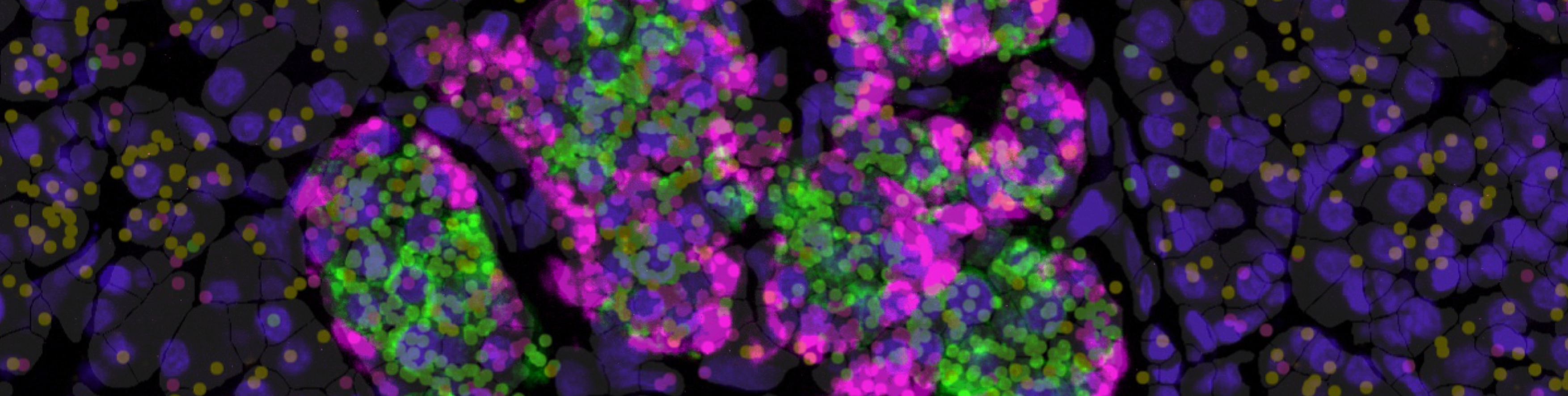

A Unique Resource for Research on Pancreatic Islets
The Living Donor Pancreas Cohort (LIDOPACO) is a pioneering human biobank of the German Center for Diabetes Research (DZD e.V.) established at the Paul Langerhans Institute Dresden (PLID) and the Institute for Diabetes research and Metabolic disease (IDM) of Helmholtz Munich (link), and at the German Diabetes Center, Leibniz Center for Diabetes Research (DDZ) in collaboration with the Departments for Visceral Surgery and Pathology at affiliated hospitals in Dresden, Tübingen and Düsseldorf, respectively. The aim of this study is to provide provide material for preclinical studies and clinical trials that gain insight into the natural history of islet during the progression from normoglycemia to diabetes. In this context, LIDOPACO systematically collects and analyzes human pancreatic tissue and corresponding blood samples from metabolically phenotyped patients undergoing pancreatic surgery for various pancreatic diseases (pre-/post-surgery at 3 and 12 months). The LIDOPACO pancreas and blood biobank is therefore a unique resource worldwide, offering deep insights into pancreatic islet biology, particularly in the context of prediabetes and type 2 diabetes (T2D).
LIDOPACO enables the study of pancreatic islets in situ, thereby retaining their molecular and physiological characteristics without introducing potential artifacts that might otherwise result from enzymatic isolation and culture. The possibility to integrate medical history and a large set of pre- and post-operative clinical laboratory data of the donors with specific information on their metabolic state and in depth-multiomics profiling of their islets in situ is a cornerstone of the LIDOPACO’s ambition to most accurately define, through a cross-sectional approach, the progression of beta cell failure from health to prediabetes and T2D.
LIDOPACO in the press
Read an article about LIDOPACO in the DZG magazine (article in German)
Key features of LIDOPACO
Metabolic Phenotyping
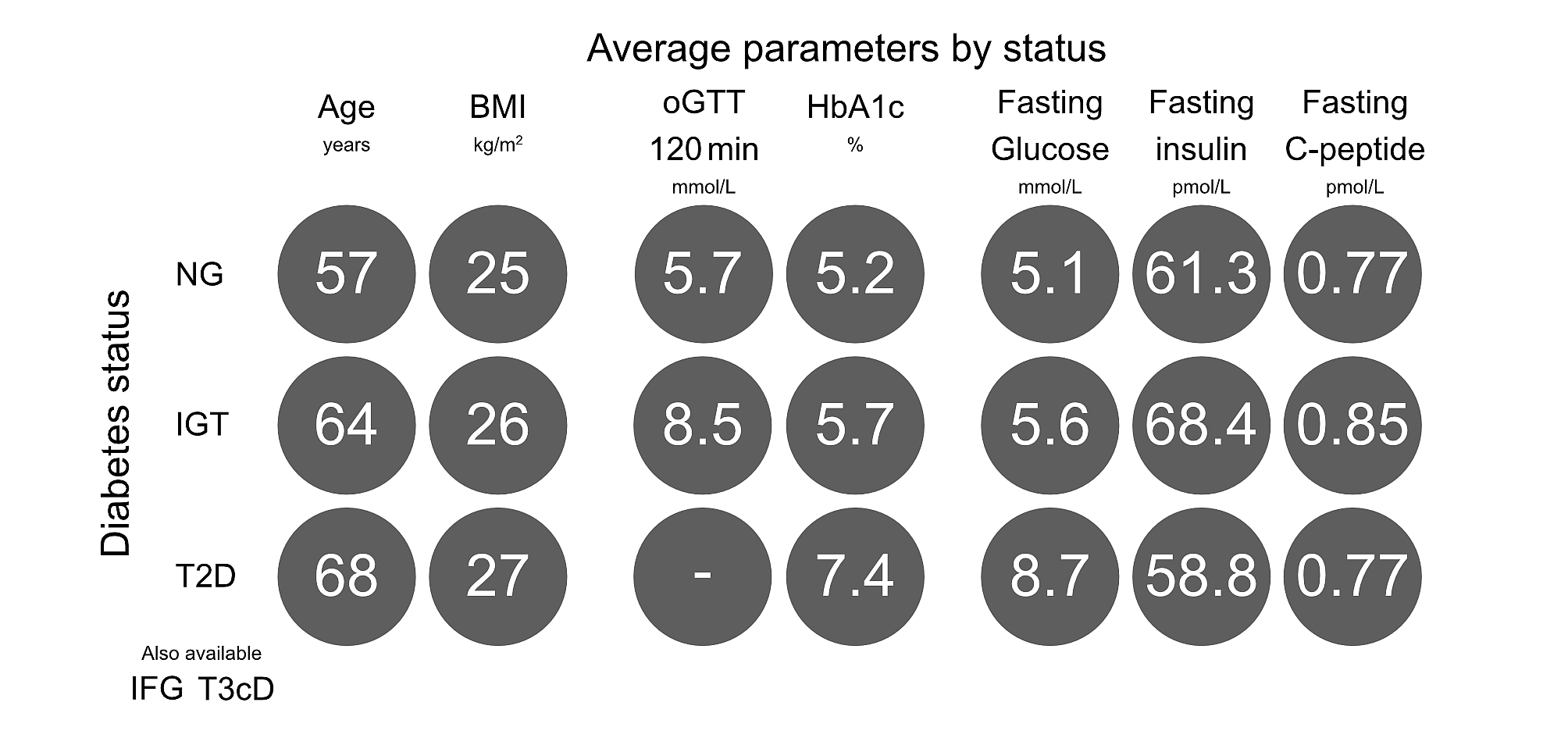
Patients are thoroughly metabolically phenotyped pre-operatively through several analyses, including in most instances, the performance of an oral glucose tolerance test (oGTT). This allows their accurate stratification into subjects with normoglycemia, impaired fasting or glucose tolerance (i.e. prediabetes), or diabetes. The latter can be further classified as type 1, type 2 or type 3 diabetes (also known as pancreoprivic diabetes which is diabetes caused by diseases of the pancreas including pancreatitis and pancreatic cancer) based on the occurrence of anti-islet autoantibodies and the medical history of the patient. A fraction of the donors undergo similar metabolic studies following surgery.
Sample Collection
Blood samples are collected pre-, and sometimes post-operatively, while pancreatic specimens are obtained by pathologists immediately after surgery. This approach allows for the collection of fresh, high-quality samples alongside comprehensive clinical and metabolic data. Anesthesiology annotations of glucose administration and glycemia during the operation and in the minutes prior to tissue explantation may further help to define the physiological status of the retrieved islets.
Applications
LIDOPACO enables advanced investigations, such as in situ "omics" analyses (transcriptomics, proteomics, lipidomics, metabolomics, etc.) as well as static and dynamic imaging and physiology of living islet cells in pancreatic tissue slices, thereby capturing in a novel fashion multiple aspects of islet biology in health and disease.
Research impact
LIDOPACO is a groundbreaking undertaking to elucidate the physiology of islet cells in situ and the pathophysiology of diabetes. Specifically, it provides insight into the structural and functional alterations associated with beta cell demise in T2D, such as islet inflammation, and thus the identification of molecular signatures of its progression and heterogeneity.
Contact and collaboration
If you would like to request data, or collaborate on a project, please contact Prof. Michele Solimena (Contact information below).
Publications using LIDOPACO data
2025 Nature Communications
Klein L et al
Explainable AI-based analysis of human pancreas sections identifies traits of type 2 diabetes
Press release on this publication: Explainable Artificial Intelligence Detects Type 2 Diabetes in Pancreatic Tissue
2025 Mol Metab
Lorza-Gil E et al
Incretin-responsive human pancreatic adipose tissue organoids: A functional model for fatty pancreas research
2025 EBMO J
Quezada E et al
Aldolase-regulated G3BP1/2+ condensates control insulin mRNA storage in beta cells
Press release on this publication: New Insights into How Insulin mRNA is Stored in Beta Cells During Resting Blood-Glucose Levels
2024 Nat Commun
Müller A et al
Structure, interaction and nervous connectivity of beta cell primary cilia
Press release on this publication: Beta Cells: New Insights into the Structure, Interactions and Neuronal Networking of Primary Cilia
2024 Mol Metab
Dance A et al
Exploring the role of purinergic receptor P2RY1 in type 2 diabetes risk and pathophysiology: Insights from human functional genomics
[…]
2018 J Clin Endocrinol Metab
Gerst F et al
The Expression of Aldolase B in Islets Is Negatively Associated With Insulin Secretion in Humans
2018 Diabetologia
Solimena M et al
Systems biology of the IMIDIA biobank from organ donors and pancreatectomised patients defines a novel transcriptomic signature of islets from individuals with type 2 diabetes
Reviews
2022 Nat Metab
Gloyn AL et al
Every islet matters: improving the impact of human islet research
News on this topic: Every Islet Matters: New Review on Improving the Impact of Human Islet Research
2021 Nat Rev Endocrinol
Wagner R et al
Metabolic implications of pancreatic fat accumulation
2019 Mol Metab
Barovic M et al
Metabolically phenotyped pancreatectomized patients as living donors for the study of islets in health and diabetes
2019 Diabetologia
Marchetti P et al
Fostering improved human islet research: a European perspective
2019 Mol Metab
Gerst F et al
What role do fat cells play in pancreatic tissue?
